
What Labor Day Means for Modern Professionals
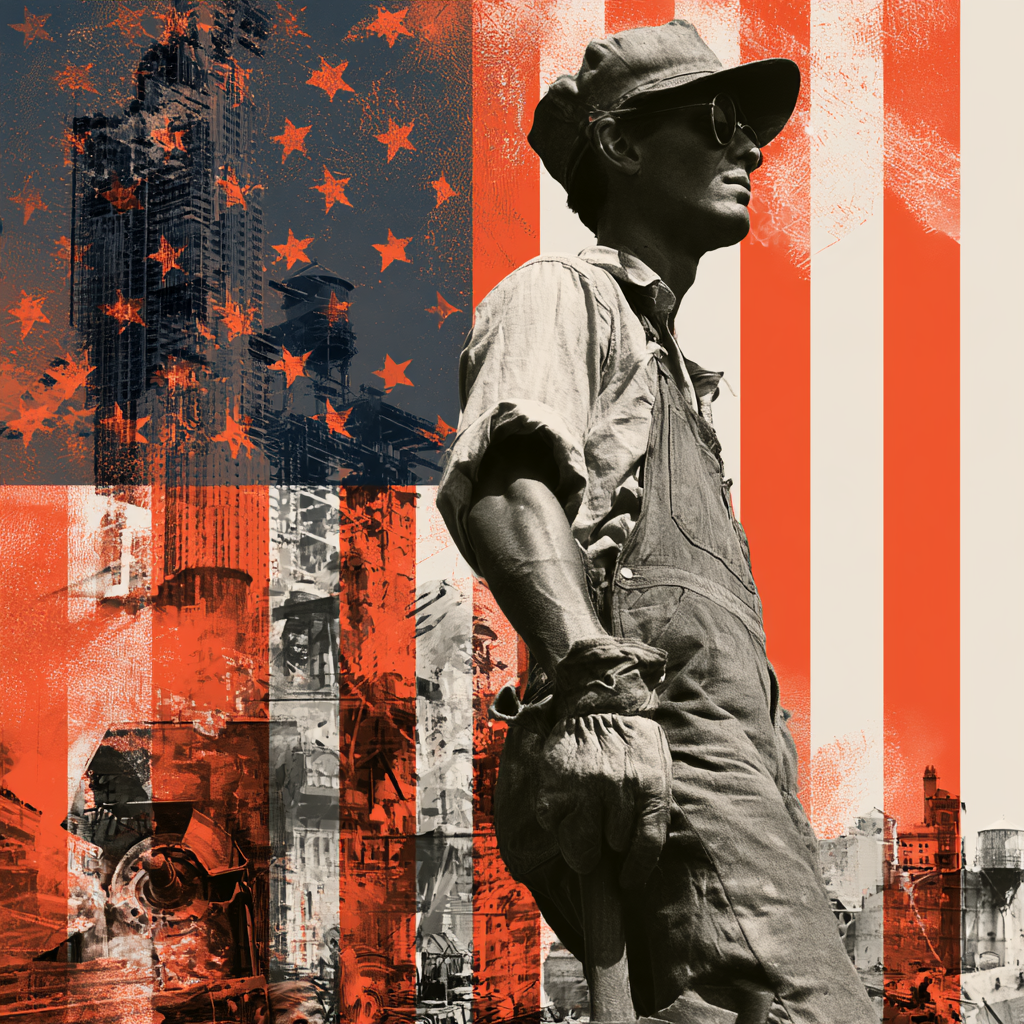
The long weekend at the start of September is universally recognized as the unofficial end of summer. For corporate professionals across the United States, it offers a welcome pause—a chance to step away from endless email threads, wrap up final summer plans, and recharge before the busy autumn quarter begins. Yet, beneath the end-of-season barbecues and back-to-school sales lies a historic American holiday with roots deeply embedded in the modern employee experience. Labor Day was created to honor the contributions, sacrifices, and economic achievements of the American worker. Understanding its origins provides valuable context for the workplace protections and standards that shape corporate life today.
To understand why Labor Day exists, we must look back to the late 19th century, during the height of the Industrial Revolution. At the time, the average American worked 12-hour days, seven days a week, often in unsafe environments, just to earn a basic living. Children as young as five worked in factories and mines, and basic safeguards like paid time off, overtime compensation, or weekend breaks simply did not exist.
As manufacturing and industrial production accelerated, workers began organizing to demand humane working conditions. The individual voices of employees were often ignored, but collective bargaining gave them a platform to demand systemic change.
The very first Labor Day celebration took place on September 5, 1882, in New York City. Organized by the Central Labor Union, thousands of workers took unpaid leave to parade through the streets, demonstrating the strength and unity of the workforce. The event featured speeches, a picnic, and demonstrations calling for an eight-hour workday—a revolutionary concept at the time.
The movement gained momentum over the following decade as local communities and individual states began passing legislation to recognize an official workers' holiday. However, it took a historic industrial crisis to push the holiday onto the national stage.
In 1894, during a severe economic depression, workers at the Pullman Palace Car Company near Chicago went on strike to protest wage cuts and excessive working hours. The Pullman Strike quickly spread nationwide, halting rail traffic across the country. To restore order and reconcile relations with the nation’s workforce in the strike's aftermath, President Grover Cleveland and Congress moved swiftly to establish a national holiday dedicated to workers. On June 28, 1894, legislation was signed into law declaring the first Monday in September a federal holiday: Labor Day.
It can be easy to view Labor Day purely through the lens of historical industrial manufacturing—coal mines, steel mills, and assembly lines. But the legacy of the labor movement directly established the foundational framework of the modern white-collar office environment.
The Structure of the Modern Workweek: The standard 40-hour workweek and the concept of the "weekend" were born out of labor advocacy. Prior to these shifts, continuous work cycles were standard practice regardless of industry.
Workplace Standards and Safety: The push for physical safety in factories eventually evolved into broader standards for employee well-being, ergonomic health, and psychological safety in corporate offices.
Compensation and Benefits: Standard corporate practices like overtime pay, paid parental leave, sick time, and health insurance options trace their operational origins back to early organized worker protections.
As corporate environments navigate modern shifts, including hybrid work models, remote flexibility, and continuous digital connectivity, the core message of Labor Day remains strikingly relevant. While today's corporate challenges involve managing burnout, establishing digital boundaries, and balancing productivity with personal well-being, the fundamental principle behind Labor Day endures. Sustainable economic progress depends on respecting and supporting the human beings behind the work.

As you close your laptop and step away from your desk this holiday weekend, take a moment to reflect on the historical efforts that built our modern working standards. Labor Day is more than just a three-day weekend. It is a lasting tribute to the value of your daily contributions and the collective strength of the American workforce.