
The Invention and Evolution of the "Career"
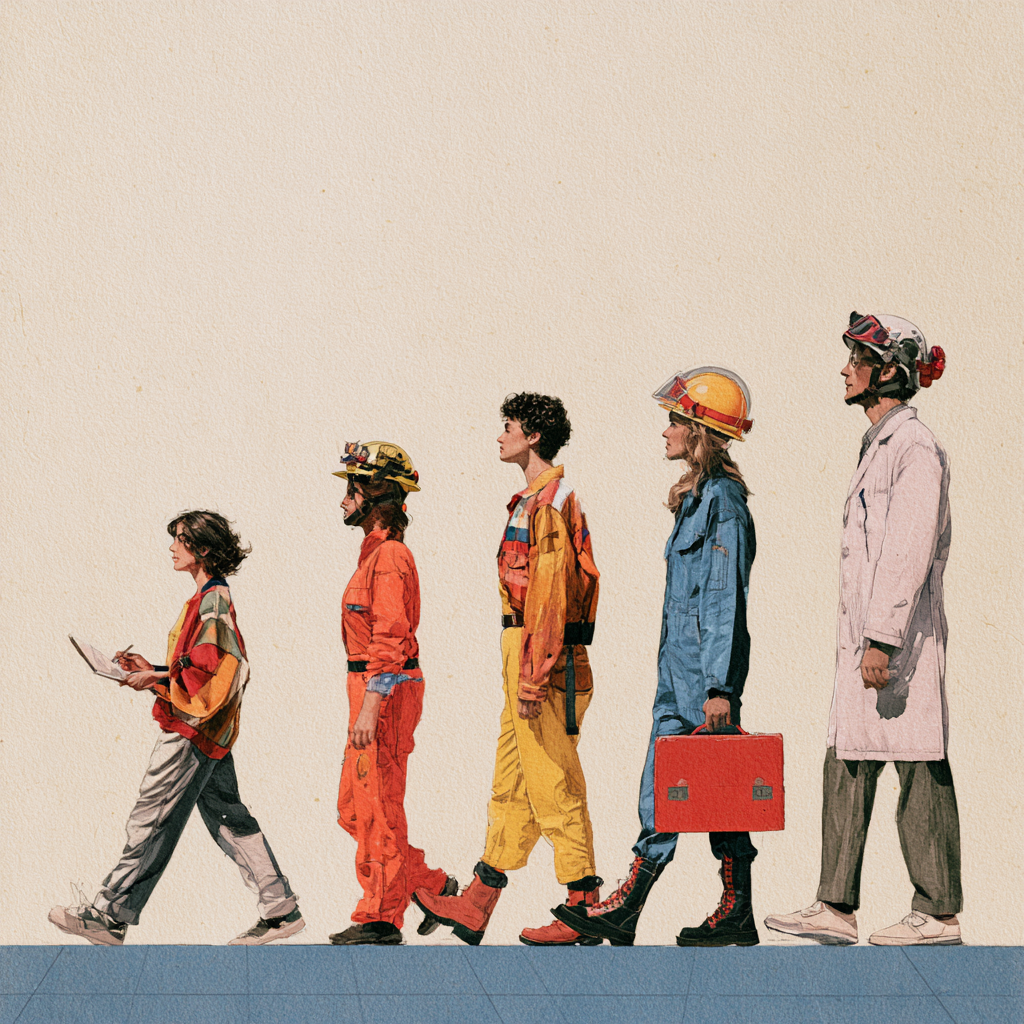
The concept of a career is so deeply woven into modern identity that it feels like an ancient human constant. In reality, it is a relatively recent invention, forged during the 19th and early 20th centuries as the Industrial Revolution restructured human labor. Before industrialization, most people did not have careers; they had trades, land, or regional livelihoods determined by inheritance, guild regulations, or social status. The word career itself traces back to the Latin carrus (a wheeled vehicle) and the French carrière, originally referring to a horse’s racecourse. It was not until the early 1800s that the term was applied to a person’s professional trajectory—a metaphor for a single, forward-moving track.
As agrarian societies gave way to factory cities, massive corporate bureaucracies required a predictable way to organize human potential. Companies designed rigid, linear hierarchies to train, retain, and promote workers over decades. The 20th-century economic pact was straightforward: a worker traded long-term loyalty to a single institution for steady upward mobility, predictable pay increases, and a secure retirement. By the mid-1900s, vocational guidance programs institutionalized the idea that a career was a lifelong path aligned with personal identity.
Navigating the 21st-Century Workplace
Today, that industrial model of the linear career ladder is essentially obsolete. Rapid technological advancement, economic volatility, and the rise of flexible work arrangements have dissolved the single-company lifecycle. In the 21st century, professionals no longer climb predictable corporate ladders; instead, they navigate what organizational theorists call protean careers—fluid paths that span multiple companies, industries, and project-based roles.
How do you succeed in this 21st-century reality? By fundamentally rethinking how you manage your professional life.
Adopt a Mindset of Continuous Reskilling: The half-life of professional skills is shrinking rapidly, driven by automation and artificial intelligence. Formal education can no longer be a front-loaded, one-time investment made in early adulthood. Career management now requires lifelong learning, constantly upskilling and reskilling through micro-credentials, targeted courses, and self-directed practice to remain valuable as market demands shift.
Build a Career Identity: Relying on a single job title or company brand for identity creates vulnerability. Modern professionals should view themselves as dynamic portfolios of skills, capabilities, and personal projects. Diversifying expertise across domains allows you to pivot smoothly when industries contract or transform.
Focus on Adaptability Over Long-Term Planning: Rigid 10-year plans are rarely viable in a fast-moving economy. Instead, you should cultivate career adaptability and anticipate industry trends, adjust quickly to disruption, and make agile, strategic transitions.
Maintain Strategic Networks: In an agile career environment, opportunities flow through relationships rather than through talent acquisition software. Building and nurturing professional communities outside of your current employer provides access to collaboration and unexpected career opportunities. (Please read this twice!)
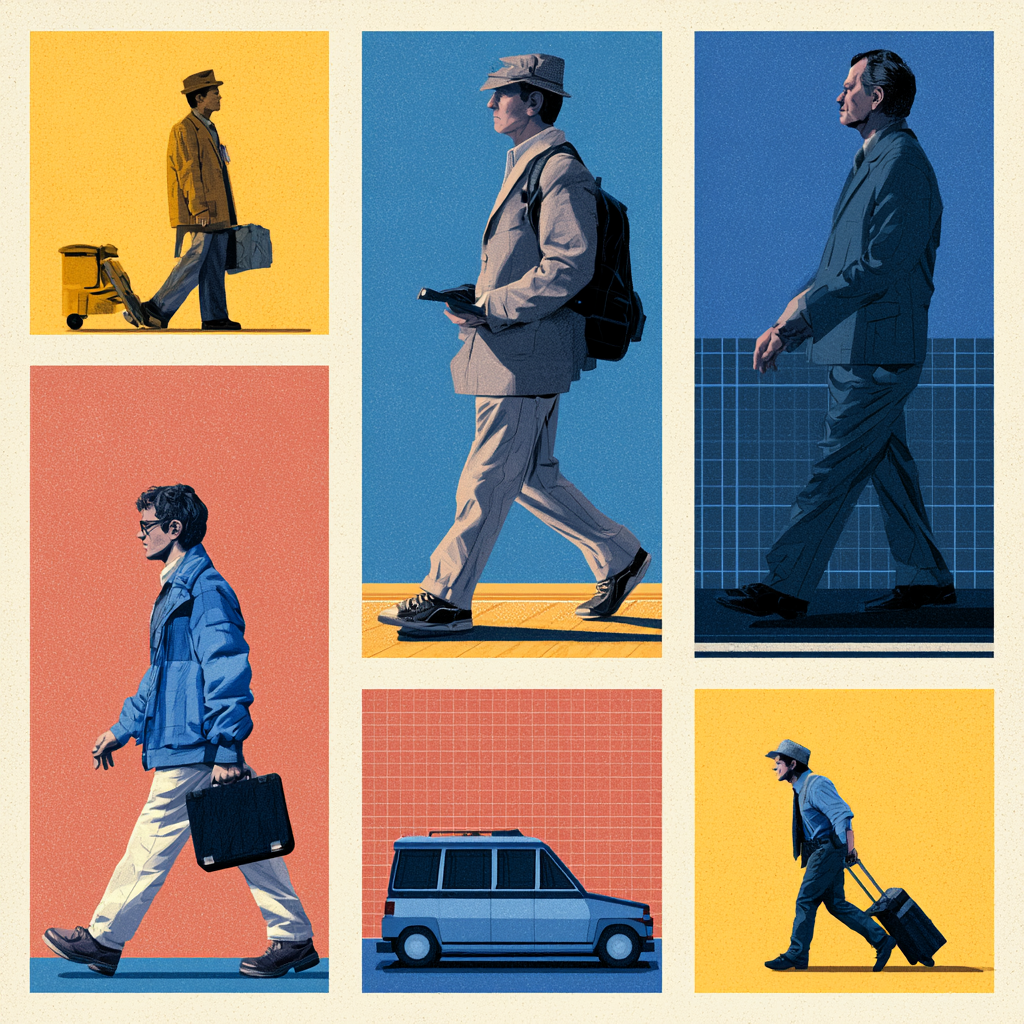
The concept of a career has evolved from a fixed racecourse provided by an employer into a self-directed, constantly evolving journey. By taking direct ownership of personal growth, prioritizing adaptability, and treating skill development as a continuous commitment, you can build resilient and rewarding careers in an ever-changing world.