
The Staples Baddie Rewrites the Rules of Retail Marketing
How often do you think about Staples? It is likely not at the top of your list of favorite retailers. Staples isn’t a place you go just to shop or to see what they have. You go to Staples out of necessity. Maybe you need to ship a package, return an Amazon purchase, or buy a new ink cartridge for your printer. But one thing is clear: customers don’t go into Staples to leisurely browse the office supply merchandise. It’s not that kind of a store.
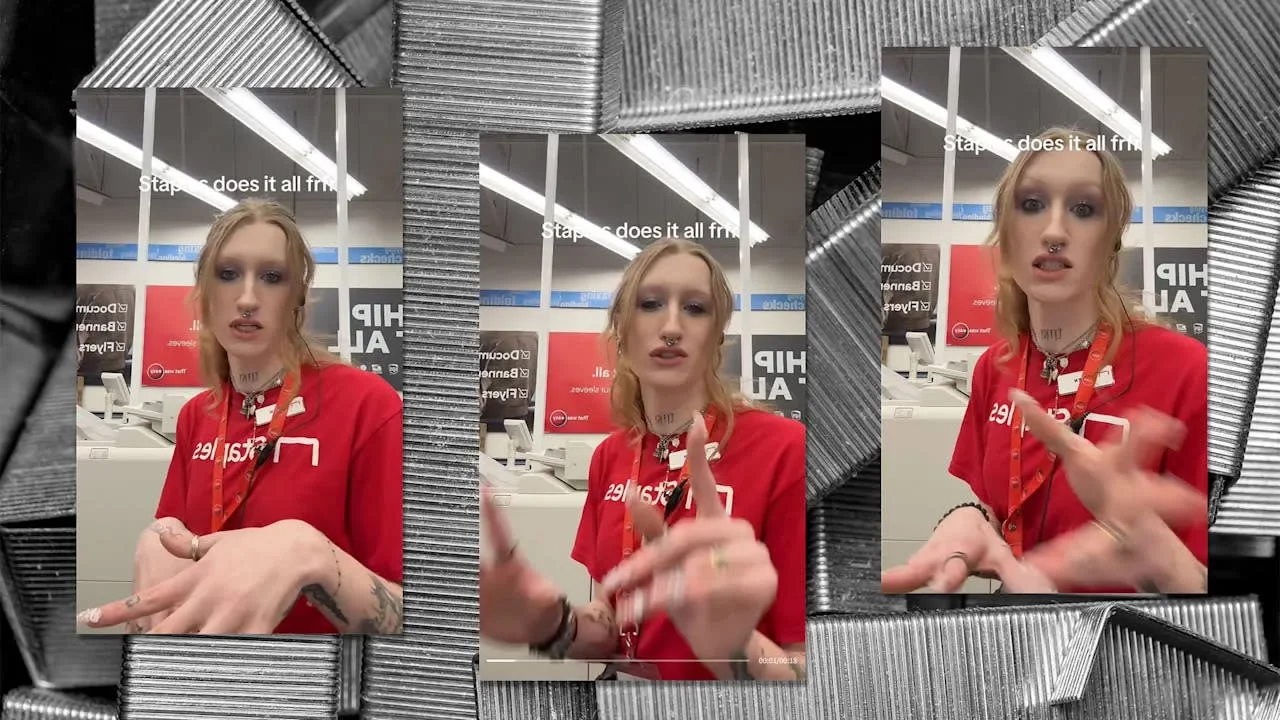
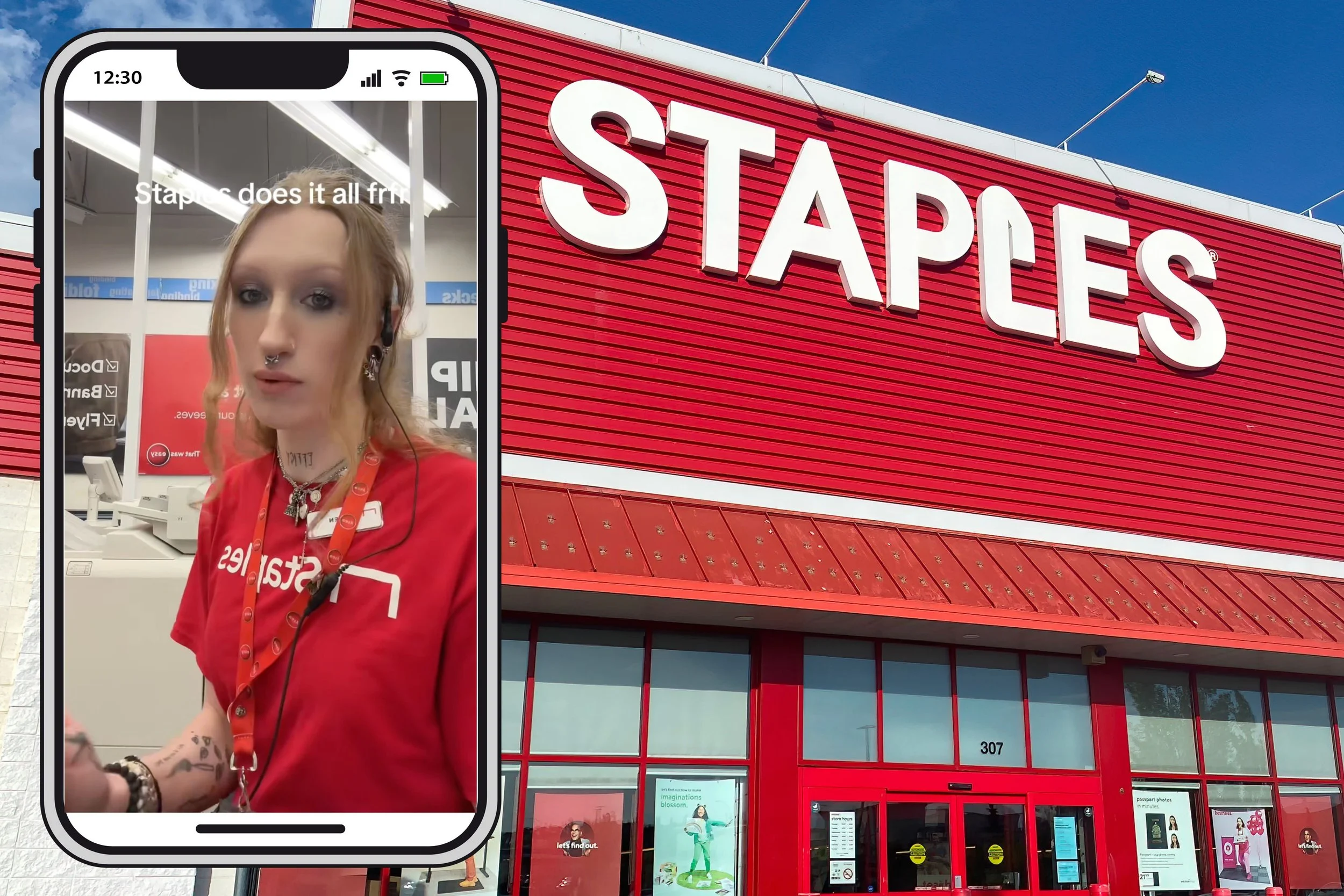
The "Staples Baddie" may change that. A charismatic associate named Kaeden (known online as @blivxx) has done more than just trend on TikTok. She has provided Staples with a masterclass in organic brand revitalization. At a time when legacy retailers struggle to remain relevant to Gen Z, this employee-led movement has fundamentally shifted the brand's perception from that of a dusty office supply closet to a creative destination
Genuine, Human Relatability
Staples Baddie isn’t a paid micro-celebrity; she’s paid, but it’s her wage for working at the store. Her videos are often filmed while she’s on the clock, sporting the Staples-branded red shirt, lanyard, and name tag. But she’s still found a way to be authentic about what she’s promoting, which is where paid collaborations often miss the mark.
Featuring ASMR, heavy slang, and authenticity, these videos have done what Big 4 consultants have been unable to: they have captured the attention of viewers. They have quickly changed the company’s brand perception. The videos, which show her making custom mugs, banners, and personalized wrapping paper, introduced such services to millions of viewers. By framing these services not as corporate offerings but as "things I wish y'all would try," she is relatable and human and engenders trust. This has led to a documented surge in foot traffic and custom orders, specifically in the print department, as younger consumers flock to stores to replicate the "baddie" aesthetic in their own lives.
Engagement as a Business Strategy
The success of the Staples Baddie phenomenon highlights a critical truth in business: happy, engaged employees are a company’s most effective marketing channel. Research consistently shows that companies with high employee engagement see 23% higher profitability and 10% higher customer loyalty. This is because an engaged worker doesn't just sell a product. They also sell an experience and a sense of trust that no polished corporate ad can replicate.
Changing Times: Brand Awareness and the Pivot to "Human-First"
Back in 2020, a Sherman-Williams employee, named Tony Piloseno (@tonesterpaints), with more than 2 million followers on TikTok and Instagram, began posting videos of himself mixing custom paint colors. Free marketing to an audience of 2 million! He created a pitch deck "to show the company how TikTok has a younger base" and "to basically develop brand awareness through TikTok." He said he presented the pitch to his manager and a sales rep at the store, who "loved" it, and he was given a contact in the marketing department of the company's headquarters. What happened instead was that Sherwin-Williams’s loss prevention department conducted an investigation into his social media accounts and ultimately fired him for “gross misconduct” because he was making “these videos during his working hours and with company equipment.” To say that Sherwin-Williams dropped the ball here is to grossly understate how poorly the company handled this. Not only did they cede access to Tony’s millions of followers, but more importantly, they alienated a contingent of Gen Z that has long memories and holds grudges. This was a colossally bad move on their part. (Tony has since graduated from college and now has his own line of paint. And yes, he is still making his mixing videos!)
Staples, however, has done the right thing, which also happens to be the most beneficial thing for the company. It has capitalized on a significant boost in brand sentiment by simply allowing this trend to happen. In an era when many corporations stifle employees’ social media use, Staples’s CMO, Bob Sherwin, publicly embraced Kaeden’s creativity. This "brand permission" signaled to the public that Staples is a modern, supportive employer, which is invaluable for recruitment and long-term brand equity.
The Bottom Line
By choosing to empower rather than extinguish the "Staples Baddie" phenomenon, the company achieved three key wins: it successfully bypassed the "cringe" factor of traditional corporate advertising, diversified its revenue through high-margin custom services, and humanized a legacy brand for a new generation. This success proves that a company’s most valuable asset isn't just its products or inventory. It is the authentic, engaged voice of its people. In an era of AI-generated content and professional influencers, the raw sincerity of an employee in a red lanyard has become the ultimate competitive advantage. Staples didn't just win with a viral trend. It morphed into a case study in how a brand can remain relevant by simply getting out of the way of its own talent.