
Grody to the Max: Your Food Court Style Resumé Is Like Totally Lame.

In the 1980s, mall culture was at its peak. Walking into a suburban American mall in the 1980s wasn’t just a shopping trip—it was an immersive sensory experience. It was the undisputed epicenter of teenage social life, consumer optimism, and suburban monoculture. Storefronts competed for attention with brilliant, custom neon signage. Dark glass, mirrored ceilings, and polished chrome trim reflected the pink, cyan, and electric blue hues glowing from every window. The crowd was a moving showcase of the decade’s fashion: acid-washed denim, oversized blazers with shoulder pads, Member Only jackets, neon windbreakers, and hair sprayed to gravity-defying heights. Walking past the arcade meant hitting a wall of sound: a chaotic mix of electronic bleeps, pixelated explosions, and synthesized speech from games like Pac-Man, Galaga, and Donkey Kong, all backed by the heavy thud of plastic tokens dropping into metal slots. Walking near a department store anchor meant walking through a cloud of heavy designer perfumes and colognes sprayed by workers at the beauty counters. The communal areas of the mall were blanketed in a haze, and their air carried the stench of cigarette smoke, which, combined with Aqua Net, was the official aroma of the decade.
However, the mall’s heyday was not to last. While the cultural decline felt sudden, it was actually a slow-moving transition that spanned two decades. Mall culture didn't drop off a cliff; it decayed through a series of economic shocks and cultural shifts. The modern shopper looks completely different than the consumer of the 1980s mall boom. Today, retail is caught in a fascinating tension: shoppers demand total digital convenience on the one hand and deeply immersive physical experiences on the other. Today’s shoppers prefer "Main Street" shopping over the traditional enclosed suburban mall, which represents a major cultural U-turn. For decades, the mall killed the downtown; now, the revitalized downtown is outliving the mall. This preference boils down to a shift from wanting standardized commercialism to craving authenticity, connection, and character.
So, what does the saga of the suburban American mall have to do with you, your career, and your job search?
The answer lies entirely in how you position your value. For decades, traditional candidate marketing operated exactly like a 1980s mega-mall: built on standardized commercialism, massive scale, and rigid structures. The legacy resume format was a department store anchor—a massive, undifferentiated catalog listing every single task, credential, and responsibility you ever held. Job seekers relied on volume, blasting identical applications into corporate applicant-tracking systems, much as developers constructed cookie-cutter concrete retail spaces across the suburbs.
But the "talent palate" has shifted. Just as consumers grew weary of sterile, windowless retail mazes, modern hiring managers have developed a distaste for standardized corporate jargon and generic, credential-stuffed resumes. Today’s employers do not want a human anchor store; they are not looking to hire someone to handle an exhaustive laundry list of duties. Instead, they are craving authenticity, targeted connection, and distinct professional character. They want candidates who know how to build a precise, compelling business case for their own existence.
To thrive in the modern job market, you must transition your career narrative away from the mall model and pivot toward the revitalized downtown framework. This means swapping out massive, generic scale for bespoke, high-impact positioning. Your resume should no longer read like a passive catalog of everything you have done since graduation. Instead, it must function as a highly curated boutique—an intentional storefront showcasing exactly how your unique expertise solves a company's specific, high-friction problems.
You must recognize that modern professional relationships are built on the local multiplier effect of networking. In the gig and corporate economies alike, opportunities are won through face-to-face trust, strategic thought leadership, and digital webrooming, where decision-makers research your personal brand and digital footprint long before they ever invite you to a formal interview showroom. They are looking for human texture, verifiable narrative alignment, and cultural additive value, not just a list of keywords optimized for a machine.
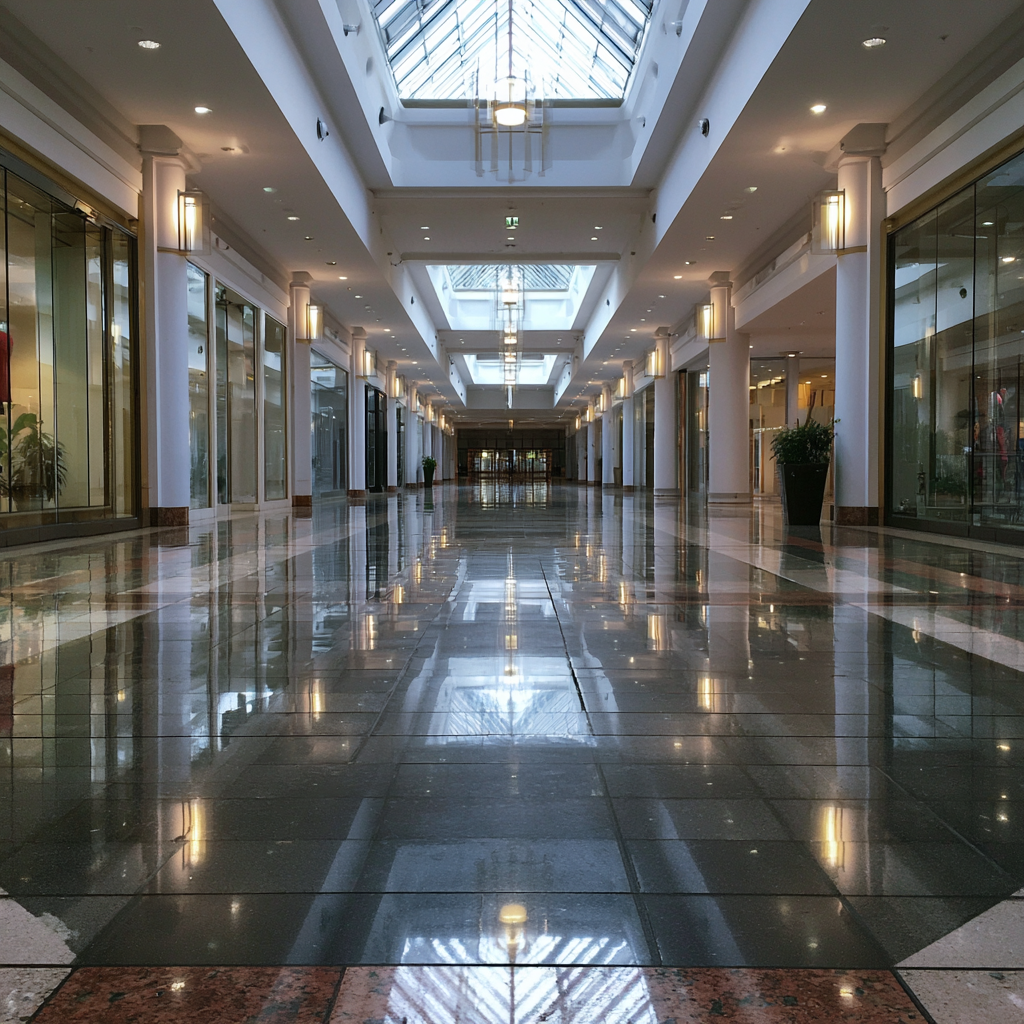
The dead malls littering the American landscape are a cautionary tale for any professional. They stand as quiet monuments to what happens when an entity relies on past dominance, structural inertia, and a refusal to adapt to how human beings actually connect. In your career, do not be an abandoned Sears wing—oversized, outdated, and waiting for a foot traffic model that is never coming back. Be the vibrant, distinct downtown boutique. Perfect your unique positioning, articulate your specific business case, and deliver the authentic, high-value experience that modern employers are actively searching for.