
From Sci-Fi to Strategy: AI and the Modern Workplace
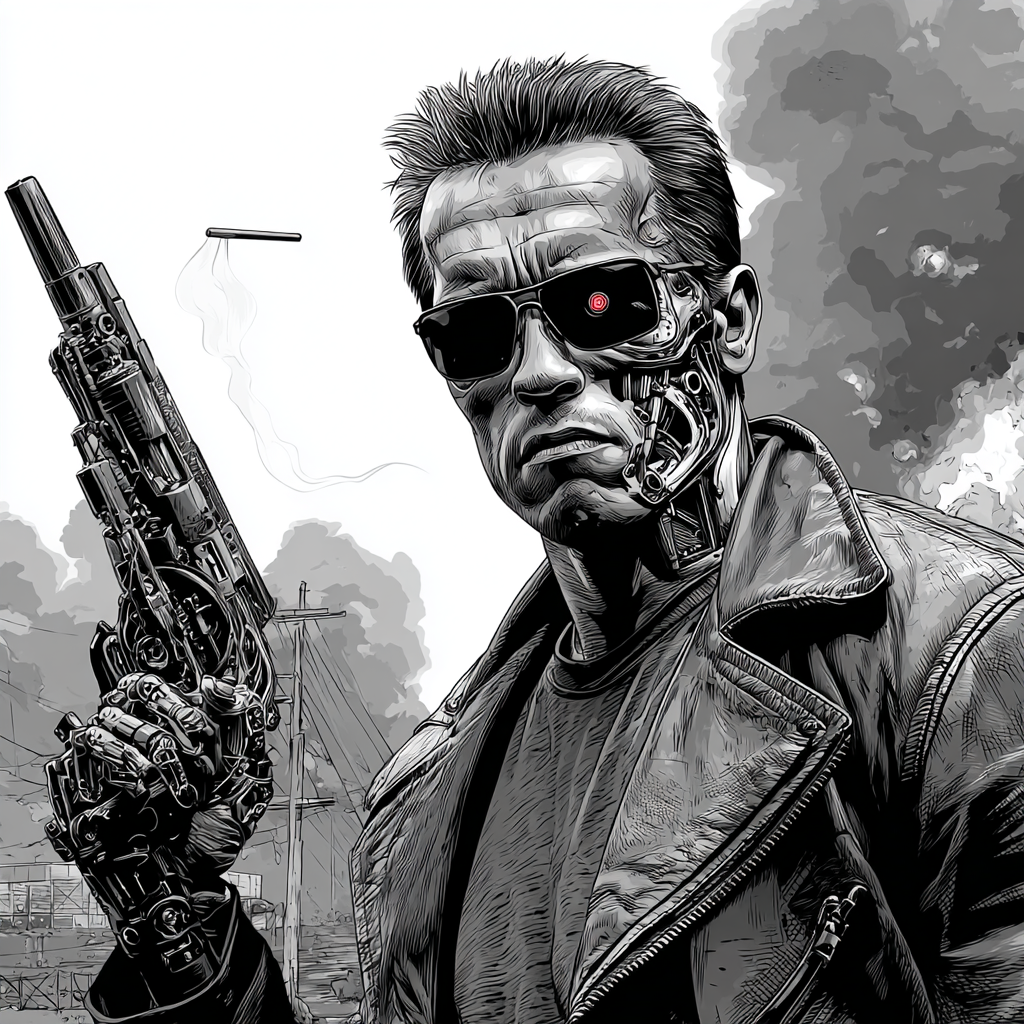
Indisputably, popular culture’s most famous AI nightmare is James Cameron’s film The Terminator, which was released in the fall of 1984. In addition to making “I’ll be back” part of the mainstream lexicon, the film continues to resonate because it captures a fear that feels newly relevant in today’s AI-driven world. While modern artificial intelligence bears no resemblance to a self-aware Skynet, the film’s core warning about handing too much autonomy to powerful systems without sufficient oversight mirrors real concerns surrounding automation and algorithmic decision-making. As AI becomes embedded in everything from finance to defense, The Terminator serves less as a prediction and more as a metaphor, reminding us that the greatest risks of AI stem not from machines themselves, but from how humans design, deploy, and trust them.
Despite the alarmists who equate AI with Judgment Day, there are still some very valid uses for this technology. While fear-mongering about AI replacing humans in the workforce, the truth is that artificial intelligence is quickly becoming a practical career advantage rather than a futuristic novelty. Across industries, professionals are using AI tools to work faster, make better decisions, and focus more energy on high-value tasks that require human judgment. From drafting emails and analyzing data to preparing presentations and learning new skills on demand, AI is reshaping how people approach their daily work. Recent research shows that when used thoughtfully, AI can boost productivity, enhance creativity, and improve overall job performance without replacing the expertise and experience that make employees effective.
One of the most immediate ways AI improves performance is by reducing time spent on routine work. Tasks such as drafting emails, summarizing documents, preparing reports, scheduling meetings, and organizing notes can be completed in minutes rather than hours. If you’ve ever used a tool like OneNote or an automated note-taker in meetings, you’ve offloaded repetitive activities to AI tools. By doing so, you can focus on higher-impact work such as problem-solving, collaboration, and decision-making.
AI also enhances the quality of work. You’ve probably been using tools such as spell and grammar check for years. Today, new data analysis tools can quickly identify trends, highlight anomalies, and generate insights that might otherwise be overlooked. Instead of replacing judgment, AI provides an additional perspective, supporting better outcomes while leaving final decisions to humans.
Another major benefit is accelerated learning and skill development. AI can serve as an on-demand tutor, helping employees learn new tools, understand complex concepts, or prepare for presentations and meetings. This lowers the barrier to acquiring new skills and enables professionals to adapt more quickly as roles and industries evolve. In fast-changing environments, the ability to learn efficiently is a performance advantage in itself. Also, by synthesizing large volumes of information, generating scenario analyses, or outlining pros and cons, AI helps you move beyond reactive work and focus on long-term strategic impact. Leaders can use AI to prepare briefings, evaluate options, and communicate more clearly with stakeholders. The key to improving job performance with AI lies in its intentional use. Those who treat AI as a collaborative partner gain the most benefit. When combined with human experience, creativity, and accountability, AI becomes not a shortcut but a force multiplier.
The tension that lies between dystopian fears and practical reality defines today’s conversation about artificial intelligence. The Terminator endures because it dramatizes what can go wrong when humans surrender control to powerful systems, but modern AI tells a very different story when used responsibly. In the workplace, AI is not an autonomous overlord or a replacement for human capability. It is a tool that, when guided by judgment and intention, enhances efficiency, sharpens insight, and accelerates growth. The real challenge is not whether AI will become too powerful, but whether it is used wisely. By maintaining human oversight, ethical responsibility, and critical thinking, AI can remain firmly in its proper role, not as Skynet, but as a supportive partner that helps people do their best work.
¡Hasta la vista, baby!