
Eight Trends that Will Shape the Workforce in the New Year
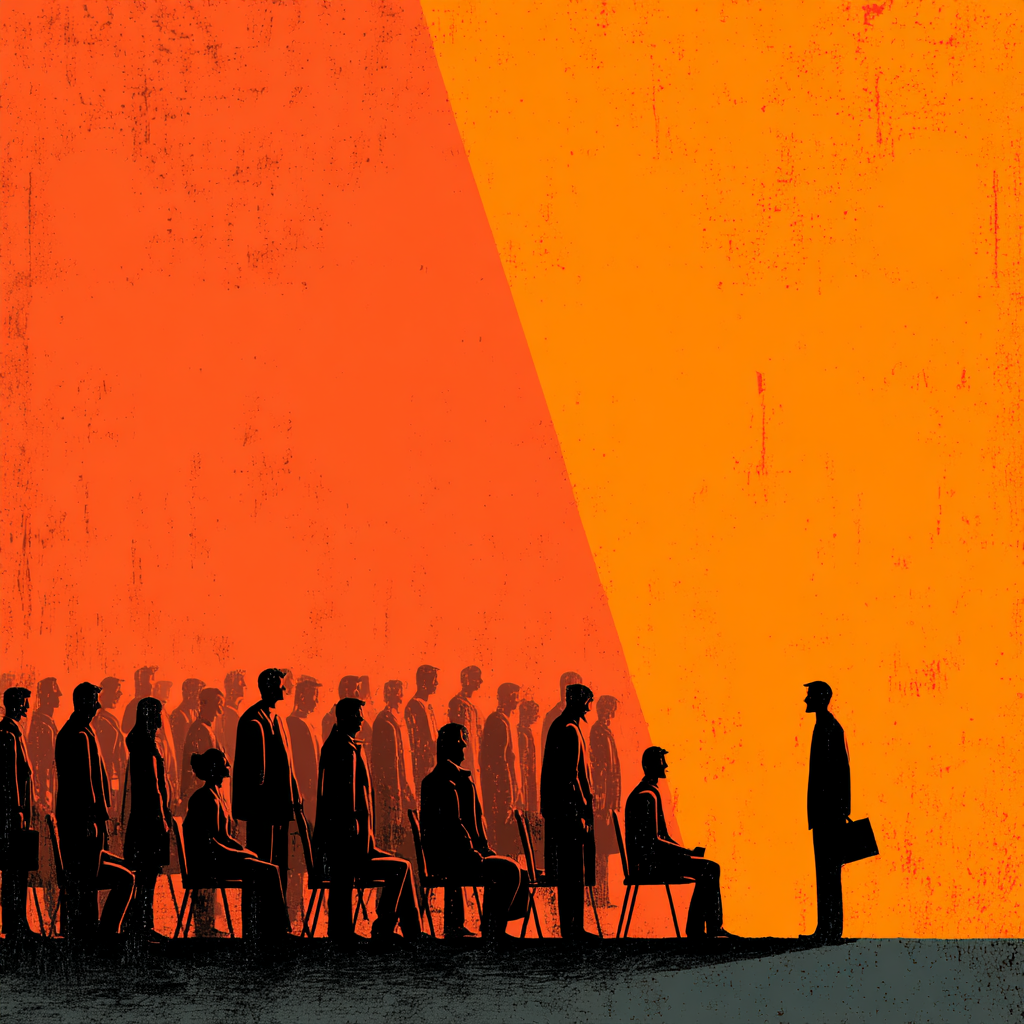
The 2026 job market is poised for transformation. As companies adapt to rapid shifts in technology, changing employee expectations, and external factors such as globalization, the new year is set to break the old rules. Some trends we will see will be evolutionary. Others will be revolutionary. Regardless, these dramatic changes will fundamentally reshape the way companies hire and source talent, and how people actually work.
Knowledge of AI as a core job requirement. AI will become embedded in daily workflows across sectors. While AI will definitely replace some roles, the coming year is likely to see its influence on how jobs are performed. The expectation is that people will use AI tools to increase efficiency, analyze data, and automate rote tasks. This will affect not merely the workforce. Purdue University just announced that competency in AI will be required for all undergraduates.
A rise in skills-based hiring. The shift away from traditional degree requirements toward skills-based hiring will continue. Competencies, work examples, and real-life assessments will carry more weight than ever before. Some of the industries that will be most affected by this will be technology, cybersecurity, data analytics, and digital marketing.
The evolution of hybrid work. Hybrid working models will no longer be viewed as perks, but as deliberately designed operating models. Savvy companies will tailor flexibility to role requirements, collaboration needs, and performance outcomes rather than rely on blanket in-office policies. Knowledge-based industries such as finance, media, education, and technology will be most heavily impacted.
A human-centered workplace. Employee experience, well-being, job satisfaction, and purpose will play central roles in recruiting and staffing strategies. Inclusive and empathetic leadership, a focus on continuous learning and employee development, and the creation of clear career pathways will help employers become an employer of choice.
Say goodbye to the 1990s. Former GE CEO Jack Welch popularized the idea of continuous improvement in the late 80s/early 90s. This theory posits that although teams can never achieve optimal performance, reducing the bottom 10% of performers each year will help advance that goal. Unsurprisingly, this method was known for creating toxic workplaces and stifling creativity and innovation. In 2026, instead of an arbitrary metric on a spreadsheet, communication, emotional intelligence, adaptability, creativity, and ethical judgment will be critical differentiators for career advancement and leadership readiness.
We are the world. Increasingly, companies will tap into global talent pools, enabled by remote work and collaboration tools. This universal perspective will allow organizations to access specialized skills while intensifying competition for worldwide talent.
A blue-collar boom. While much attention remains on digital jobs, demand for skilled trades and hands-on roles will continue rising due to infrastructure investment, an aging workforce, and limited automation potential. These jobs offer stability and long-term demand.
Data, analytics, and people. Hiring, workforce planning, and performance management will increasingly rely on analytics and AI-powered insights. HR teams will use data to predict turnover, identify skills gaps, and personalize career development, while automation will reduce administrative burden.

The bottom line
For workers, 2026 will reward adaptability, continuous learning, and the ability to pair technical skills with human judgment. For employers, these trends will drive a shift in how work is designed and talent is developed. Organizations that succeed will move beyond reactive hiring and instead invest in long-term workforce strategies. Cutting-edge organizations will build skills internally, redesign roles to integrate technology effectively, and create flexible environments that support both productivity and well-being. Companies that fail to evolve risk not only talent shortages, but also disengagement and declining performance.
Best wishes for a peaceful and successful new year!