
Artificial Fibers & Artificial Intelligence: Finding the Right Blend
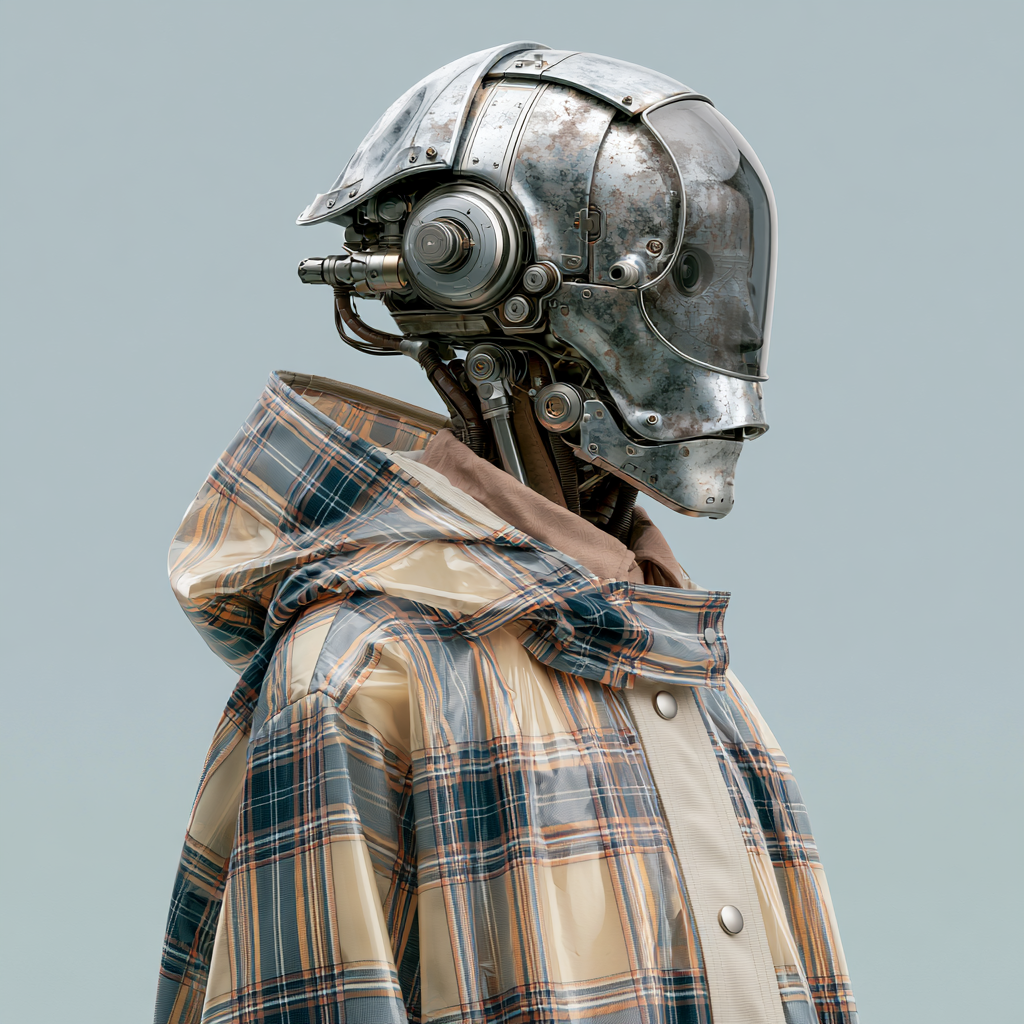
In the 1970s, you couldn't escape polyester. It was hailed as the miracle fiber—cheap, wrinkle-free, indestructible, and capable of holding the loudest, brightest geometric prints imaginable. From the iconic double-knit leisure suits to everyday office wear, synthetic fabrics promised to liberate us from the tyranny of the iron. But the initial utopian dream quickly hit a wall of cold reality. 1970s polyester didn't breathe. It trapped heat, retained odors, felt scratchy, and, when exposed to direct heat, was prone to melting.
Today, artificial intelligence is experiencing its own "polyester moment". Like the synthetic fiber boom of 50 years ago, AI has been introduced as a miracle tool designed to make our lives effortless. Yet, just like a 1970s leisure suit, raw AI output often has a distinct, glaringly synthetic feel: cheap, generic, and uncomfortably sterile. Understanding this parallel is the key to successfully integrating AI into our daily work. To make AI truly useful, we must learn the same lesson the textile industry did. The secret lies not in replacing natural elements entirely, but in creating the perfect blend.
When polyester first hit the mainstream, it was marketed as a high-status scientific marvel. It was a shortcut to a neat, put-together appearance with zero manual effort. Similarly, when generative AI burst onto the scene, organizations rushed to use it for everything. Suddenly, entire marketing campaigns, customer service channels, and corporate memos were being "spun" out of pure, unrefined AI.
However, just as consumers in the late 70s grew tired of sweat-trapping, static-heavy double-knits, today's digital landscape is experiencing a backlash against raw, unedited AI content. We have all learned to spot digital synthetics. They show up in repetitive sentence structures, overly polite but empty corporate jargon, and images with uncanny, smoothed-over lighting. When we use AI carelessly in our daily work, we are essentially walking into a modern business meeting wearing a bright, unbreathable leisure suit. It looks cheap, it lacks personal style, and everyone in the room immediately notices.
The ultimate fate of polyester wasn't extinction; it was evolution. In the 1980s and 90s, fabric designers stopped trying to replace wool, silk, and cotton with 100% double-knit plastic. Instead, they engineered high-performance blends. They combined the durability and wrinkle-resistance of polyester with the breathability and softness of natural fibers. Today, you likely wear polyester-blend athletic gear, performance dress shirts, or cozy fleece without a second thought. This is precisely how we must approach AI in our daily workflows. AI should never be the entire garment; it should be the structural fiber that keeps the work resilient and efficient.
The human mistakes when using AI are innumerable. Generating an entire article, email, or report with a single prompt and hitting "send". Using AI to build a structural outline, then writing the actual content in your unique voice. Letting AI make final decisions or analyze highly nuanced human dynamics unchecked. Utilizing AI to synthesize massive data sets, identifying patterns to inform your human judgment. Treating AI as an auto-pilot that replaces your personal expertise and critical thinking. Treating AI as a tireless "thought partner" to brainstorm angles, draft templates, or debug code.
To make AI work for you without losing your professional credibility, keep the fabric content of your daily output in mind. If you are a strategist, a content creator, or a consultant, your value lies in your natural fibers—your lived experience, empathy, and unique creative perspective. Use AI as a structural backbone. Let it handle the tedious tasks, such as formatting messy data, summarizing lengthy research reports, or generating initial brainstorming lists. But when it comes to the final product, ensure the touch, texture, and voice are unmistakably human.

AI is a tool of convenience and durability. But without the human element to give it breathability, style, and warmth, it remains cold and rigid. By mastering the art of the blend, you can leverage the incredible speed of technology while maintaining the premium quality of a craftsperson. To dive deeper into the history of this fabric’s evolution, you might enjoy reading this article on how polyester bounced back from its 1970s reputation to become a staple of modern textiles.