
The Latte Lament
Social media is rife with bad advice, ill-informed amateurs masquerading as experts, and general ridiculousness. So, when I received an email from a client asking me if what he heard on Instagram was true, I had to take a closer look. Here’s part of what he said:
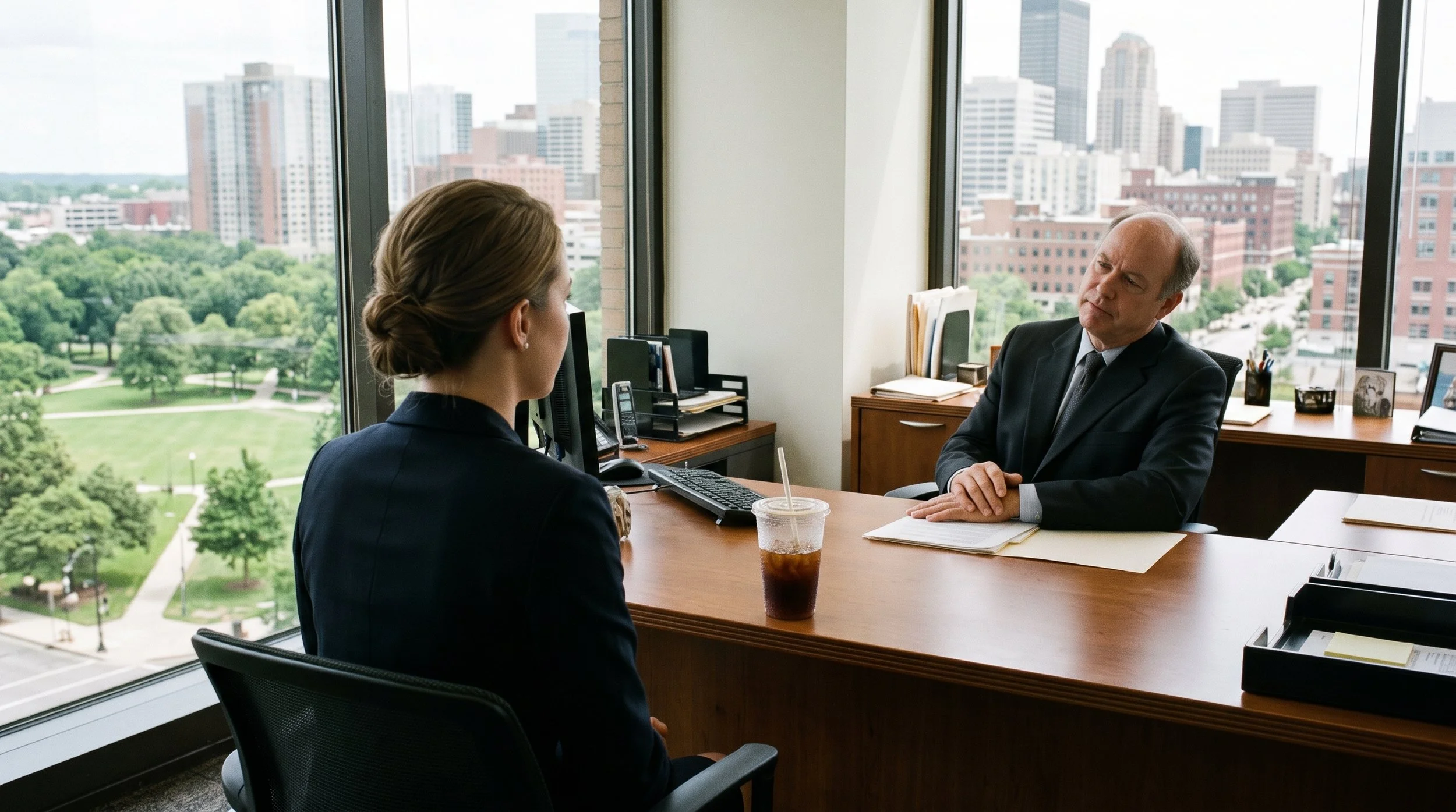
I keep seeing these videos in my feed with people talking about why you should not bring an iced coffee to an interview. Then there are conflicting takes, in which the person says that bringing a beverage to an interview is a non-issue. I never thought about this before, but now I’m curious. Is it okay for me to bring my iced latte with me to an in-person meeting?
Here’s the thing. This whole viral discussion has nothing to do with iced coffee. What it’s really about is how you comport and present yourself in a professional setting. Do you understand social cues? Do you grasp how to work in an office environment? Will you get along with others in the workplace? To an extent, the question is, can you conform to the culture and the norms of the company?
Think of the interview as a competition, which it really is. The person who wins is the one who convinces the hiring manager that hiring them will make their life easier. So why do anything that might make the hiring manager think that you’re not a fit, like putting your iced coffee, sweaty with condensation, on their desk and leaving a big puddle? Every action, choice, and presentation detail during an interview sends a signal. Carrying a personal drink into an employer's office creates small, unnecessary friction points:
The impression of casualness. Walking in with a half-drunken iced coffee can signal that you treat a formal evaluation like a casual hangout with a friend.
The appearance of distraction. Holding or managing a cup gives your hands something to hold onto, which can lead to nervous fidgeting, set off distracting straw-swirling sounds, or worse yet, slurping.
Logistical problems. Navigating a handshake while balancing a drink, a portfolio, and a phone creates an immediate moment of awkwardness before the conversation even begins.
Social gaffes. As I mentioned before, carrying your mocha latte into an interview can signal that you do not understand standard interview protocols. And if you are not socially aware enough to understand what is and is not acceptable in an interview, the interviewer can infer that you may not mesh with the team or the company.
In the early and middle rounds of hiring, interviewers are actively looking for reasons to narrow down the pool. When an evaluator is tasked with choosing between two equally qualified candidates, arbitrary or subconscious tiebreakers take over. A small distraction or a perception of unreadiness gives an interviewer a quick reason to rank one candidate slightly below another.
To maximize your chances in any competitive environment, the goal is total risk mitigation. You want to eliminate every controllable variable that could potentially be interpreted as a negative point against you. This means auditing your interview preparation from start to finish. Arrive early enough that you are calm and prepared, not rushing breathlessly. Maintain strong eye contact, sit up straight, and demonstrate active listening through nodding and relevant follow-up questions. Match or slightly exceed the company’s dress code to show respect for the process. Know the company’s recent news, product lines, and mission statement inside and out so your answers are tailored rather than generic.
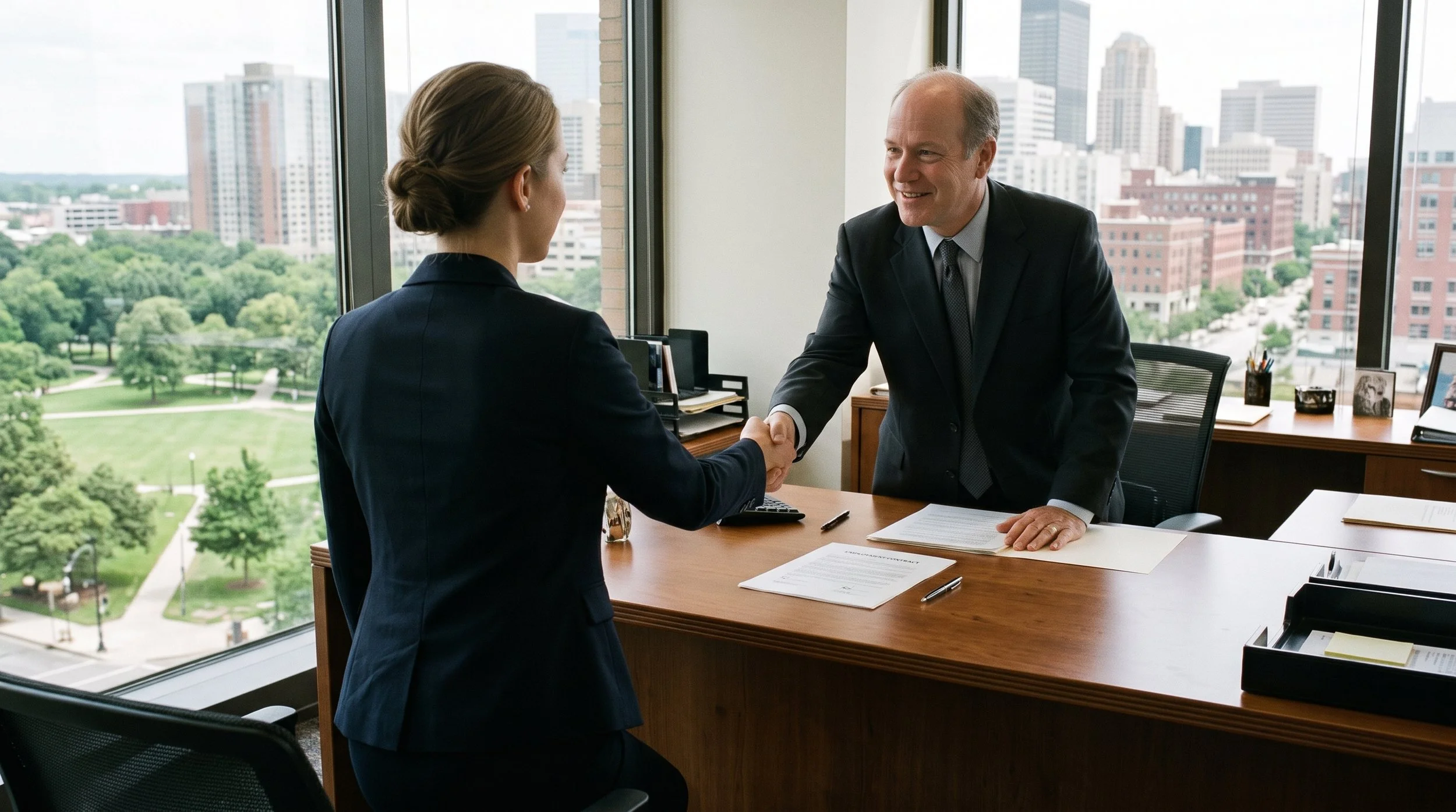
An interview is an environment where you're evaluated continuously from the moment you step onto the company's premises or log into the video call. By eliminating small, avoidable distractions, you keep the interviewer’s focus entirely where it belongs: on your expertise, your achievements, and the value you bring to the team. And when the interviewer is convinced that hiring you will make their job easier, you win. Don’t give them reasons to doubt you.